
Low-Budget Repairs Review: The Ultimate “Good Enough” Handyman Simulator
2026-09-25
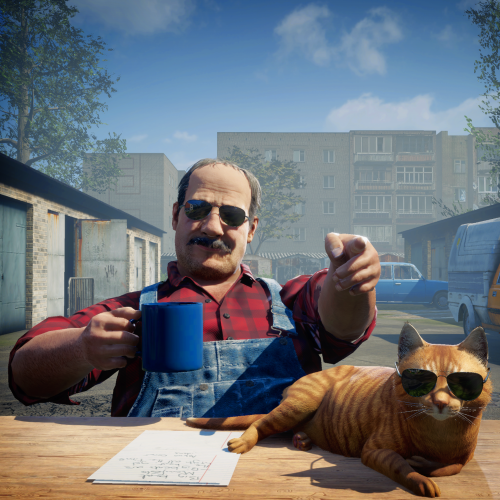
Some simulators let you run a supermarket. Others let you run a repair shop, clean houses, or spend hours washing a fence with a pressure washer.
And Low-Budget Repairs?
Here, you become a handyman.
Just not the kind whose phone number you'd proudly recommend to your friends afterward.
More like the kind where you look at the wall after they're done, tilt your head slightly, and say:
“Well... it's still standing.”
And honestly, that premise sold me on the game almost immediately.
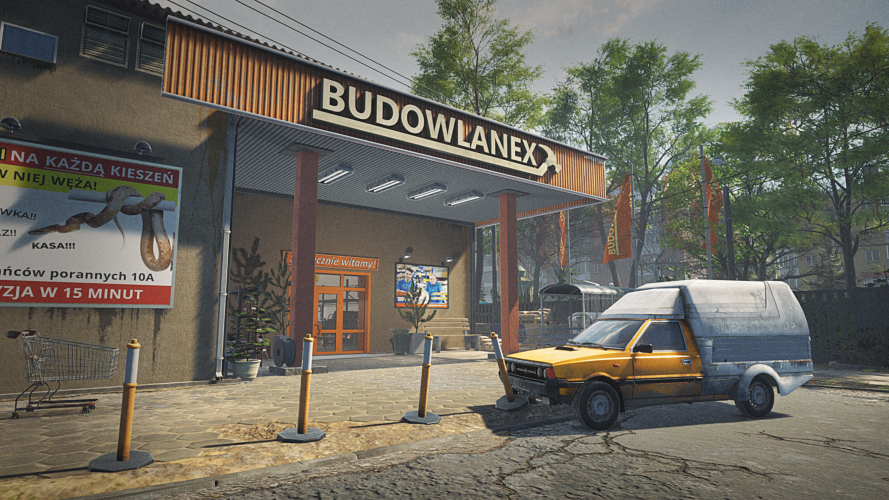
The Polish Handyman Simulator
Low-Budget Repairs takes us to 1990s Poland and does something that immediately separates it from your typical renovation simulator.
Perfection isn't the goal.
Quite the opposite.
You're here to complete the job, get paid, and preferably save some money along the way by using solutions that range from questionable to impressively unprofessional.
Why buy new materials when you have some leftovers?
Why do something perfectly when “good enough” will still get you paid?
It's basically anti-House Flipper.
And that's exactly why it has so much personality.
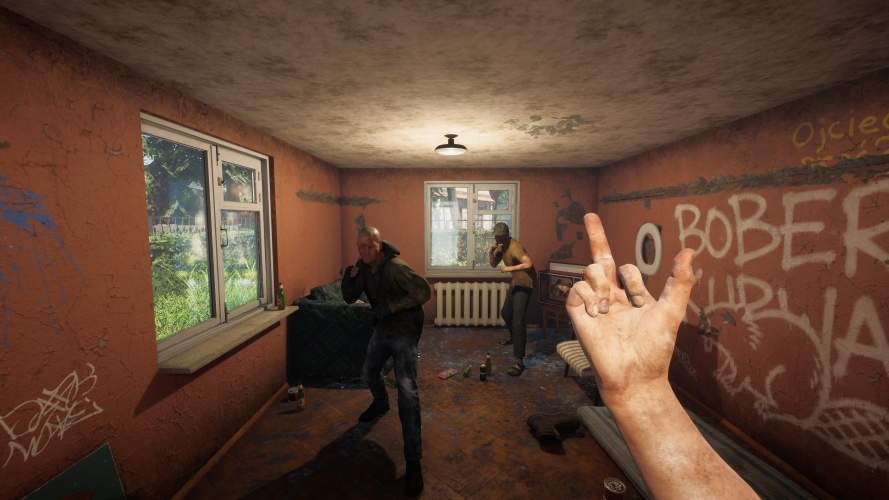
One of the strongest parts of Low-Budget Repairs for me is its humor.
If you grew up in Poland, you'll quickly start noticing references to Polish internet culture, memes, sayings, and that very specific kind of humor you've probably encountered at a family gathering at some point.
There are references to things like the legendary “Bober kurwa” meme.
Some of the dialogue sounds like something a drunk uncle would say at a Polish wedding after his third round of drinks.
And I mean that as a compliment.
Not every joke lands perfectly, but the game's Polish identity gives it a personality of its own. This isn't just another anonymous renovation simulator. You can really feel the place, the era, and the culture the developers are poking fun at.
I do have one problem, though.
I like repetitive tasks in games.
I really do.
If you've been reading my reviews for a while, you probably already know that I can happily spend hours washing, cleaning, organizing, and repairing virtual objects.
But even my love for repetitive gameplay has limits.
If there are several bottles lying on the floor, I would really appreciate being able to throw them into a bag, box, or literally anything and take them all to the trash at once.
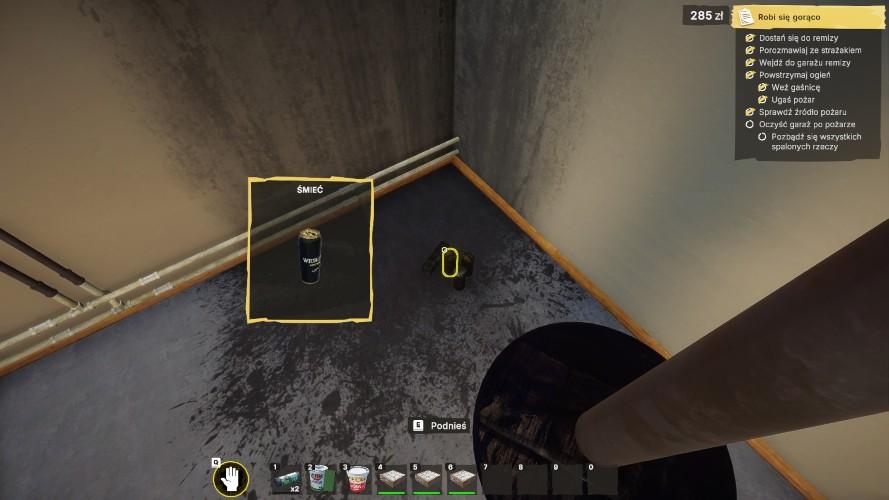
Instead, it often looks like this:
Bottle.
Trash.
Walk back.
Bottle.
Trash.
Walk back.
BOTTLE.
TRASH.
GIVE ME A BAG.
It's a small thing, but when you're dealing with larger amounts of rubbish, it unnecessarily slows everything down.
But the Cleaning...
Oooooh yes.
Cleaning surfaces is incredibly satisfying.
There's something deeply pleasant about watching a filthy, neglected surface slowly transform into something you wouldn't be afraid to touch without protective gloves.
It's exactly the same little dopamine hit I love in games like PowerWash Simulator.
Dirt disappears.
Surface becomes clean.
My brain goes:
“hehe, nice.”
And we move on.
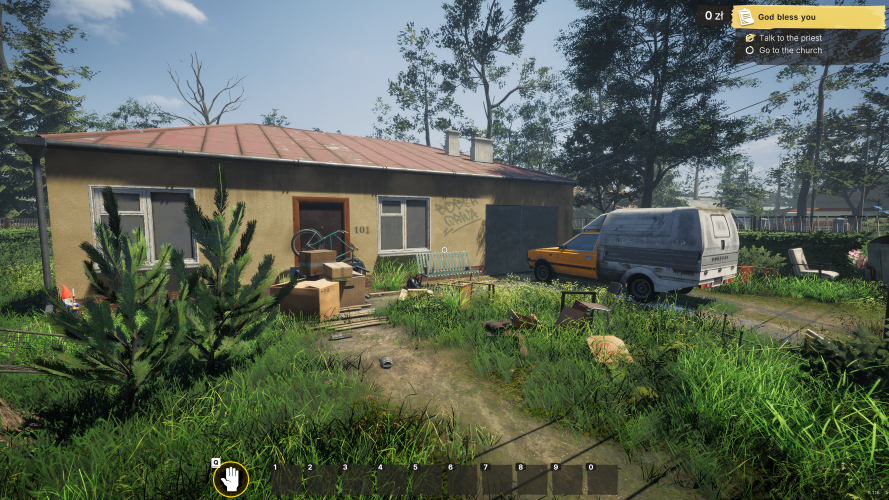
I've seen players mention that some activities in Low-Budget Repairs can become monotonous. Painting, plastering, and other simple jobs eventually start following very similar patterns.
I understand that criticism.
It's just not much of a problem for me.
In games like this, repetition is actually one of the things I'm looking for.
After a long and demanding day, I don't always want to save the galaxy, analyze a massive skill tree, or spend an hour fighting a boss.
Sometimes I just want to walk into a virtual apartment and paint a wall.
Then patch a hole.
Then clean something.
Brain relaxes.
Hands stay busy.
Perfect.
So where some players see monotony, I often see the gaming equivalent of popping bubble wrap.
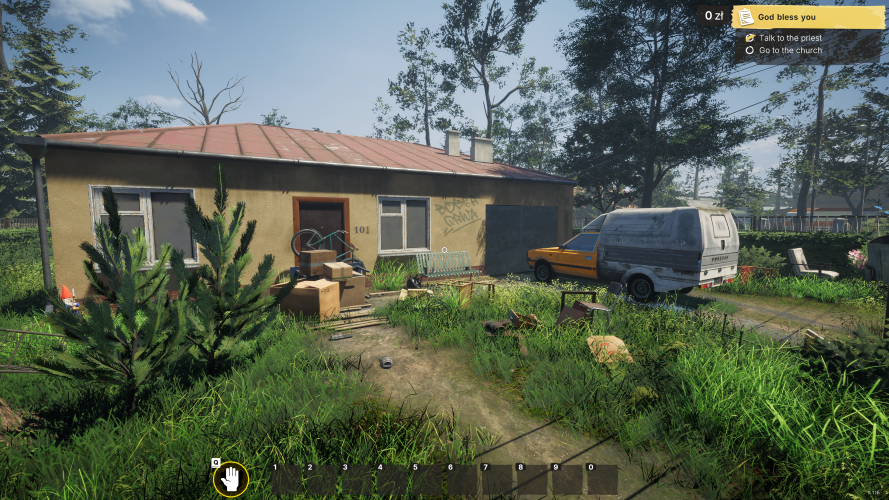
After Work... I Renovate My Own House
I also really like the system surrounding your own home.
Between jobs, you can return to the house you inherited from your aunt and gradually restore it.
And it fits beautifully into the overall gameplay loop.
Got some plaster left after a job?
Into the car.
Paint?
I'll use that.
Some spare materials?
Can't let those go to waste, right?
🤣
It means the individual jobs don't exist completely in isolation. You earn money, gather materials, and then watch your own disaster of a house slowly start looking like an actual home.
I love progression systems like this because they give me another reason to do “just one more job.”
And we all know how “just one more job” usually ends.
Not Everything Is Perfectly Plastered
Player reviews also frequently mention some rough mechanics, awkward physics, and technical issues.
And I can understand those complaints.
Sometimes Low-Budget Repairs itself feels like it was repaired by the protagonist of Low-Budget Repairs.
Which is kind of hilarious.
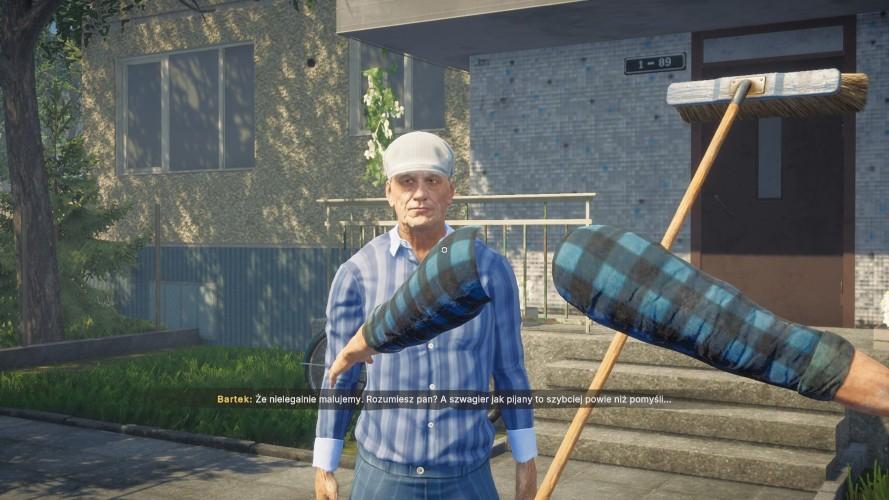
Some interactions could definitely be smoother, and certain mechanics would benefit from additional polish.
At the same time, some of that jank weirdly fits the entire concept.
This is a game about improvised repairs, saving materials, and the philosophy of “ehhh, it'll hold.”
So when the physics suddenly does something ridiculous, it can sometimes be difficult to tell where the bug ends and the authentic Handyman Experience™ begins.
That doesn't mean technical problems should be ignored, of course. I hope future updates continue polishing the game.
Do I Recommend Low-Budget Repairs?
Yes, especially if you approach simulator games the same way I do.
Low-Budget Repairs isn't trying to become the world's most realistic renovation simulator.
And that's a good thing.
Instead, it's a distinctive game rooted heavily in Polish culture, with its own sense of humor, satisfying tasks, and a simple but enjoyable loop:
job, money, materials, your house, another job.
Some mechanics still need additional work and PLEASE, give me something that lets me carry multiple bottles at once.
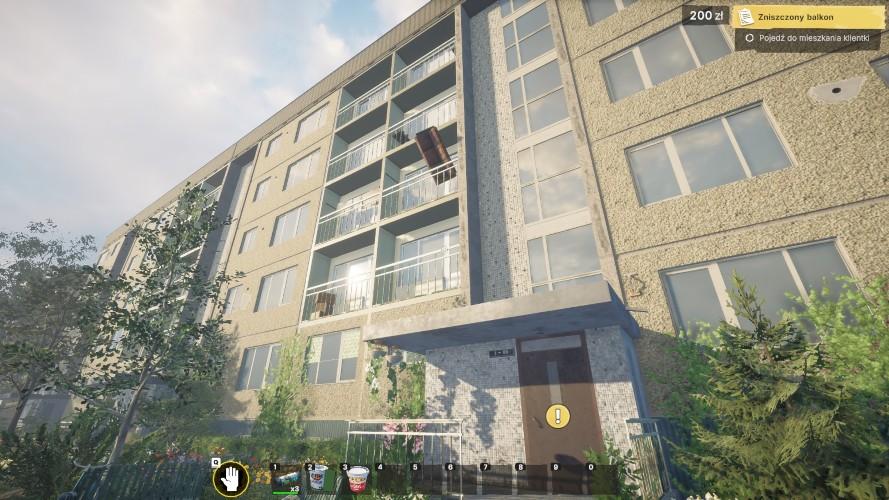
But as something to play after a long day?
It works.
I walk in.
Grab the plaster.
Repair half an apartment.
Go home.
Repair my own house.
And suddenly I realize I've spent several hours working a second job as a virtual handyman.
The customer will be satisfied.
Probably.


Comment section (GitHub account required)
Giscus comments are disabled until you allow external content.